The blog.
109 posts on claude-code, page 4 of 10RSS feed
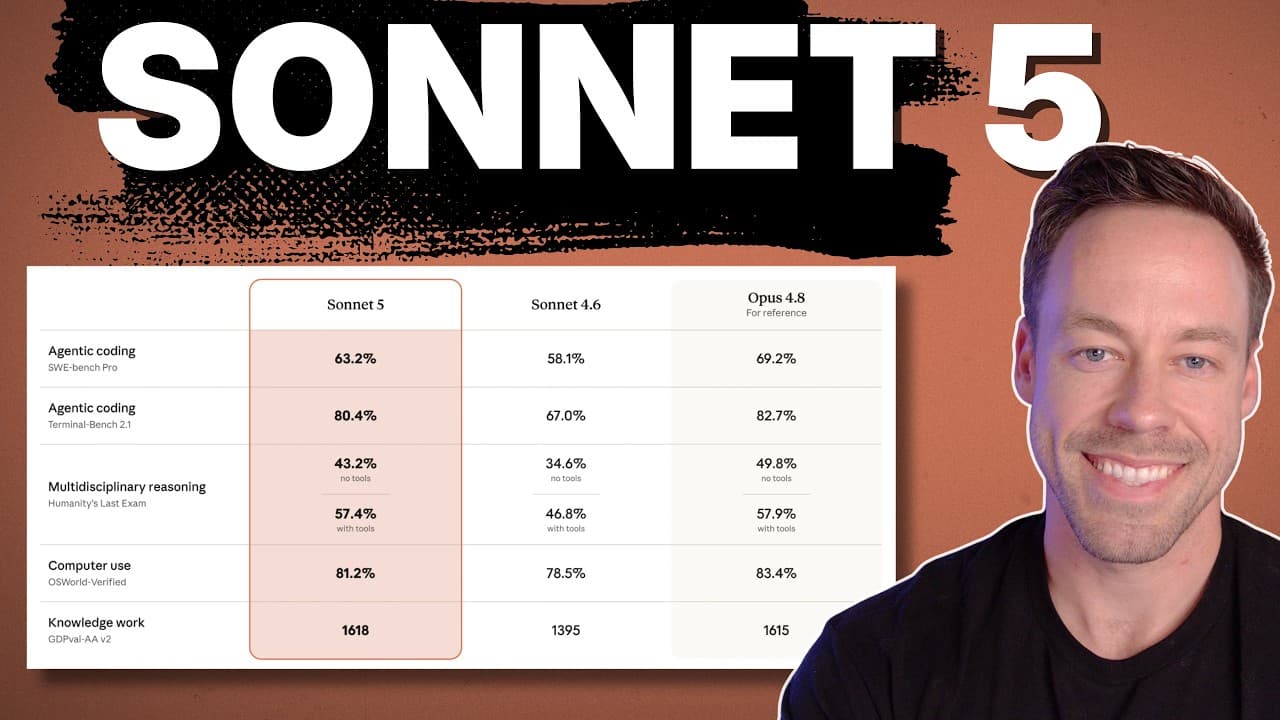
Sonnet 5 vs Opus 4.8: Which Model Should You Use?
Anthropic's Sonnet 5 lands within a few percentage points of Opus 4.8 at less than half the cost. Here's the pricing, the benchmarks, and the real decision — when Sonnet 5 wins and when Opus is still cheaper.
17 Claude Code Plugins, Skills & CLIs Worth Installing
The 17 Claude Code plugins, skills, and CLIs I actually use, grouped into data, design, and productivity — what each one does and why it earns a spot in your stack.
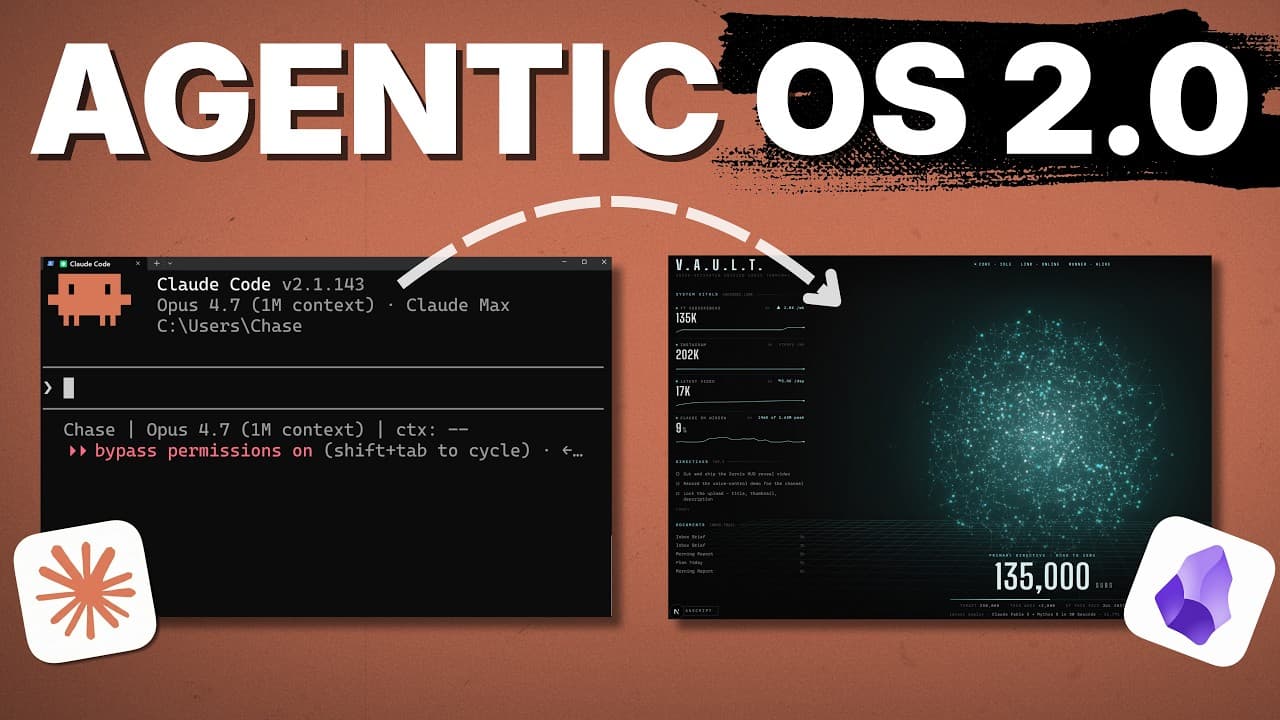
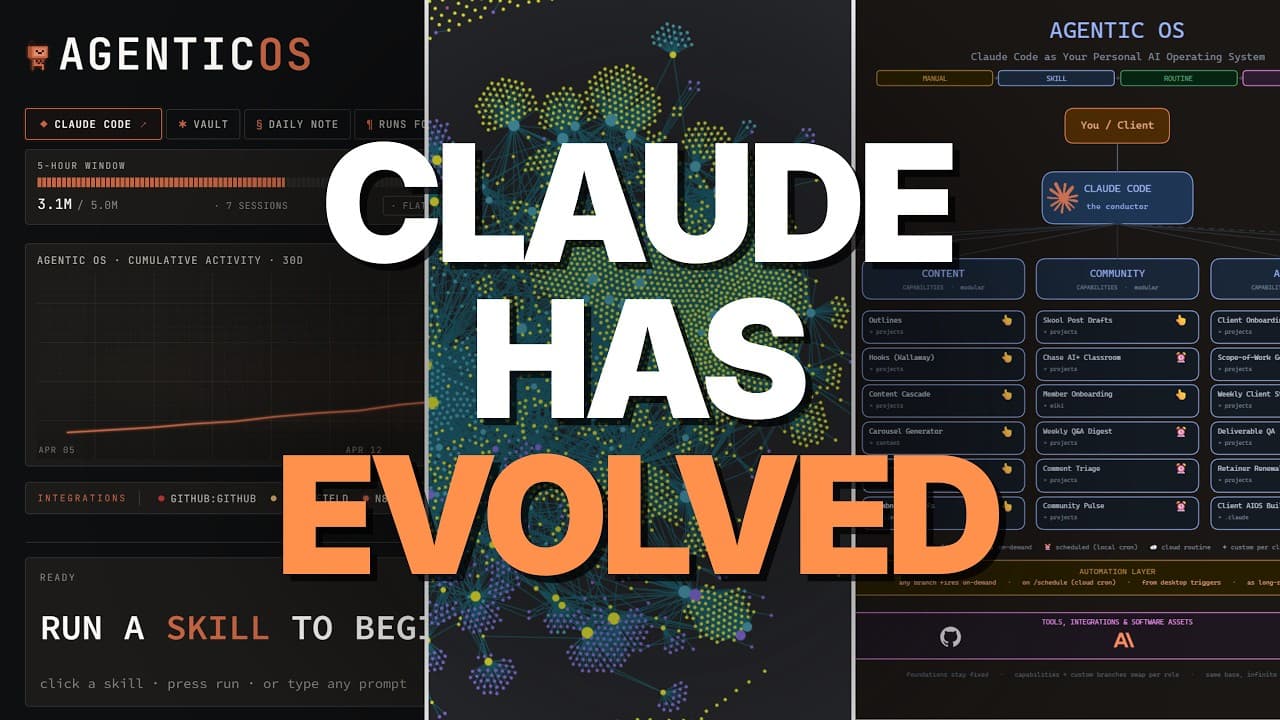
How to Build Your Own Agentic OS with Claude Code
The value of an agentic OS isn't the dashboard — it's the skills, loop engineering, memory, and state running under the hood. Here's how to build one across four levels.
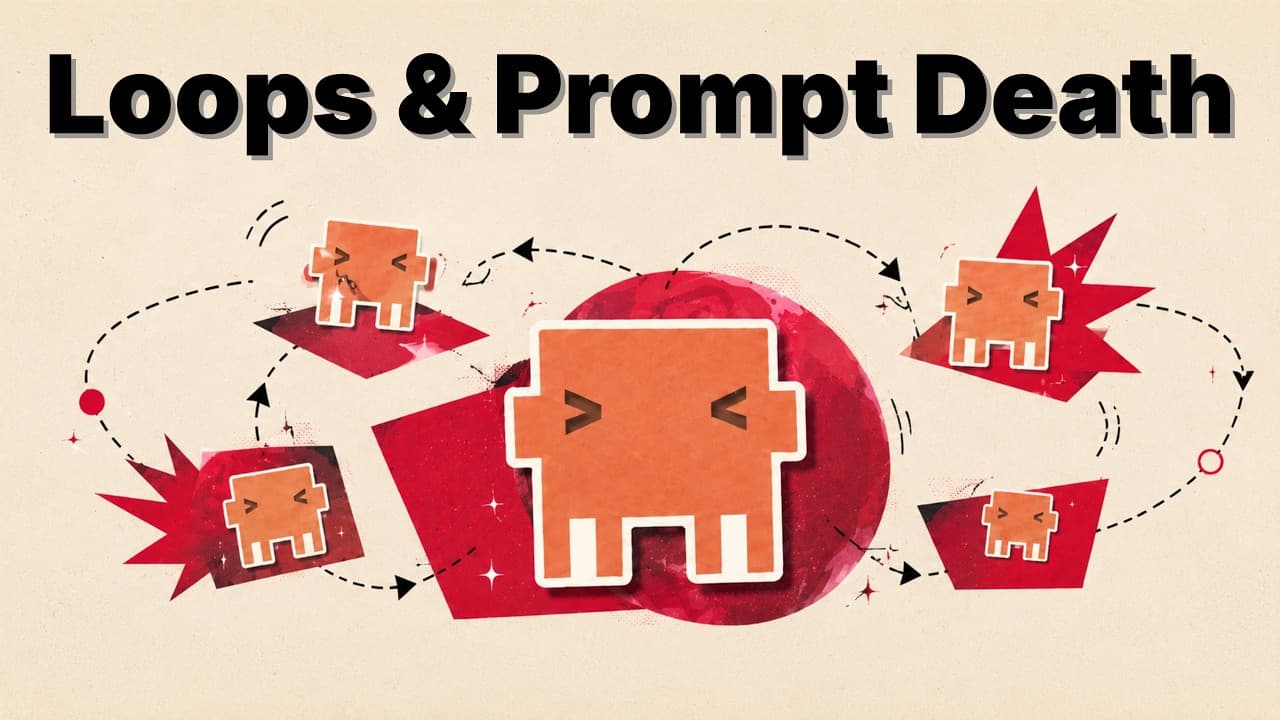
Loop Engineering: The 4-Phase Process (and Why Prompt Engineering Isn't Dead)
Loop engineering is just prompts stacked on prompts and repeated until a success criteria is met. Here's the 4-phase anatomy, the 4-step maturity path, and the one decision that determines whether your loop works.
GLM 5.2 vs Opus 4.8 vs GPT 5.5: The Real Test
GLM 5.2 is the strongest open-source model yet, and benchmarks claim it beats Opus 4.8 and GPT 5.5. I ran all three head-to-head on real coding tasks. Here's what actually happened.
Ponytail Skill: Make Claude Code Cheaper and Faster
Ponytail is a Claude Code skill that cuts lines of code by ~50%, drops cost, and speeds up runs by forcing the model to stop over-engineering. I reproduced its benchmarks on Haiku and Opus — here's what actually held up.
How to Build a Voice-Driven Agentic OS on Claude Code
Jarvis is a local, voice-driven Agentic OS built on Claude Code — Faster Whisper for speech, Haiku for routing, headless Claude Code for the work, and Kokoro for the voice. Here's how the whole thing runs and how to build your own.
Graphify + Obsidian: Give Claude Code a Second Brain
Combine Graphify's knowledge graphs with Obsidian to give Claude Code a queryable second brain. Here's the exact workflow for turning any repo or docs into linked Obsidian notes.
The Agentic OS Mistake: You're Building the Dashboard First
Most Claude Code agentic OS builds chase flashy dashboards and miss the only layer that actually drives value: the skill and automation backbone. Here's the order that actually works.
Codex Goals: The Autonomous Coding Loop Claude Code Doesn't Have
Codex's experimental Goals feature is a built-in Ralph loop — single slash command, no orchestration layers, runs autonomously for hours. Here's how it works and how to set it up.
How to Use Claude Code and Codex Together (Stop Choosing)
Stop trying to pick between Claude Code and Codex. The smarter play is running both — Codex desktop with Claude Code in the terminal inside it. Here's the exact setup, pricing, and dual-model workflow.
How to Build a Custom Claude Code Agentic OS in 3 Steps
Most people use Claude Code like a slot machine. Here's the 3-layer agentic OS — architecture, memory, observability — that turns your daily workflows into a system you can track, optimize, and hand off.